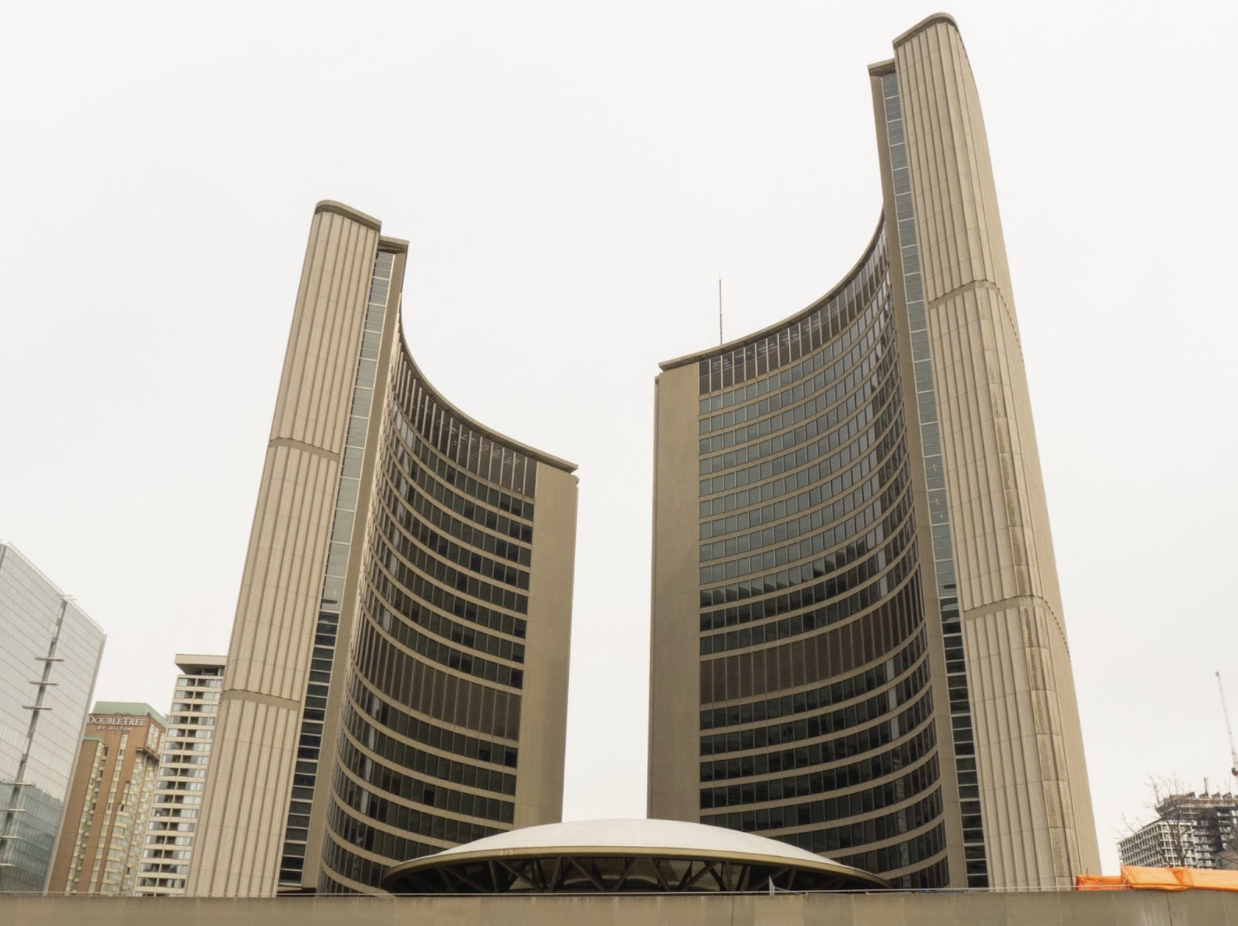
During their meeting on Mar. 26, 2026 Toronto City Council members voted to begin a pilot program for city-run grocery stores.
On Mar. 26, 2026, Toronto City Council members voted to begin a pilot program for city-run grocery stores.
Councillor Anthony Perruzza introduced a motion to establish a pilot program for city-run grocery stores. This would include one grocery store in each of the City’s Community Council districts. Priority will be given to neighbourhoods that have limited access to grocery stores and a lower average-household income. It would run as a not-for-profit with the goal of providing residents with the most affordable food pricing possible and with financial support to reduce operating costs and maximize affordability.
He said it was a new and novel idea that other jurisdictions such as New York have been looking at. He added that people are having trouble meeting needs and that the cost of living is going up.
Councillor Dianne Saxe put forward an amendment to support community food cooperatives such as Karma Co-op. She added that their model allows people to volunteer to reduce their food costs and that it lets people meet their neighbours and that it’s non-commercial.
Councillor Stephen Holyday said it was a “terrible idea.” He said that people believe that grocery stores are extracting lots of money from them but they are not. He said that the prices of basic goods including milk, butter and potatoes aren’t very far apart between retailers but that there was variation between junk foods. He emphasized that the cost of running those stores would be borne by taxpayers.
Holyday also said that he didn’t think the government could possibly run a grocery store more efficiently than the private sector. He acknowledged that people in Toronto are going hungry but said it was “preposterous” to suggest that government-run stores would be better. He said he could not condone spending the City’s resources on this.
Councillor Paul Ainslie had an amendment to request that staff look at other models for delivering groceries. He said he worked in the food sector for almost 20 years, including some years in food distribution.
Ainslie said he had concerns about the model of four locations, and that it wouldn’t be practical for people to go to those locations for food. Instead, those families would be going to a large chain nearby. Ainslie also said he would like to hear from industry experts on what opportunities there are to deliver food.
Councillor Amber Morley said that one of the challenges in her community is the ability to secure food and grocery stores. She said that residents want councillors to improve food security in their neighbourhoods, adding that having a walkable, affordable and accessible place for food is important.
Morley said that the City doesn’t currently have any tools to secure a grocery store or food security in communities.
Morley added that this model works well internationally. During a trip to Taiwan, she and her colleagues saw how their affordable-housing model co-located grocery stores, daycares or both were part of their buildings, and that it helped keep their communities complete. She added that the city should continue being a good partner with organizations addressing food insecurity such as Daily Bread Food Bank and Second Harvest.
Councillor Alexandra Bravo said she would support the motion. She added that community ownership of food distribution is important. She said it wasn’t just about the end user getting food they could afford, but also about local production in the Greenbelt, reaching climate goals and ensuring food sovereignty.
She added that this created job opportunities. Bravo also said that the private market could not guarantee people access to fairly priced food, noting that big chain stores fixed the price of bread and sold meat in quantities less than the advertised amount.
Councillor Michael Thompson said the city should not look into opening grocery stores and should create incentives for people who want to open their own. He said that he likes free enterprise and wants the market to provide groceries at a fair price.
He said he doesn’t believe chain stores are increasing prices just because they can but that it has to do with operating costs. Thompson added that the government should help people who they have identified as being in need.
Mayor Olivia Chow had two amendments. The first was to expand the scope of the report and do three things. Firstly, use bulk purchasing for other city programs to bring down costs. Secondly, protect consumers and crack down on price gouging. Thirdly, explore models of municipal grocery stores using the best examples from around the world.
The second was to create an advisory body to inform this work. Chow said that residents want the City to help with the cost of living. She said the city is trying to do that by building affordable housing, feeding kids, and keeping the price of the TTC low, but that it can do more. She added that the City should ensure that grocery stores and retailers can’t use AI, personal data, or restrictive zoning to drive up the cost of food.
Key takeaways
-
- The City will begin a pilot program for city-run grocery stores with:
- One grocery store in each of the City’s Community Council districts
- Priority for neighbourhoods with limited access to grocery stores, and where residents have lower average household incomes
- A not-for-profit model aiming to give residents the most affordable food possible
- Financial supports to reduce operating costs and maximize affordability for residents
- The City will begin a pilot program for city-run grocery stores with:
On-the-ground observations from our documenter, CHRISTIAN MALONG
I think it’s good that they negotiated a deal with the unions without any woI think it’s an interesting pilot program. Food insecurity is a growing problem and has been for a while.
The Daily Bread’s Who’s Hungry Report shows that food insecurity in Toronto is rising and that there’s an increase in food bank usage. Where I live, Feed Scarborough was a small initiative that expanded in 2020 to fill a gap left by some food banks closing amid the COVID-19 pandemic.
Feed Scarborough’s future is somewhat uncertain with Daily Bread cutting them off due to alleged financial mismanagement.
I also think that it’s good that the City is acting to address food insecurity. Toronto Council previously voted to declare food insecurity an emergency but I’m not exactly sure how much help came from that. I think that having city-run grocery stores is a good step, and one that people could feel directly. I am looking forward to seeing how the pilot goes.
CHECK YOUR FACTS
City Council – March 26, 2026 – Evening Session
Documenters:

Meeting documented by Christian Malong